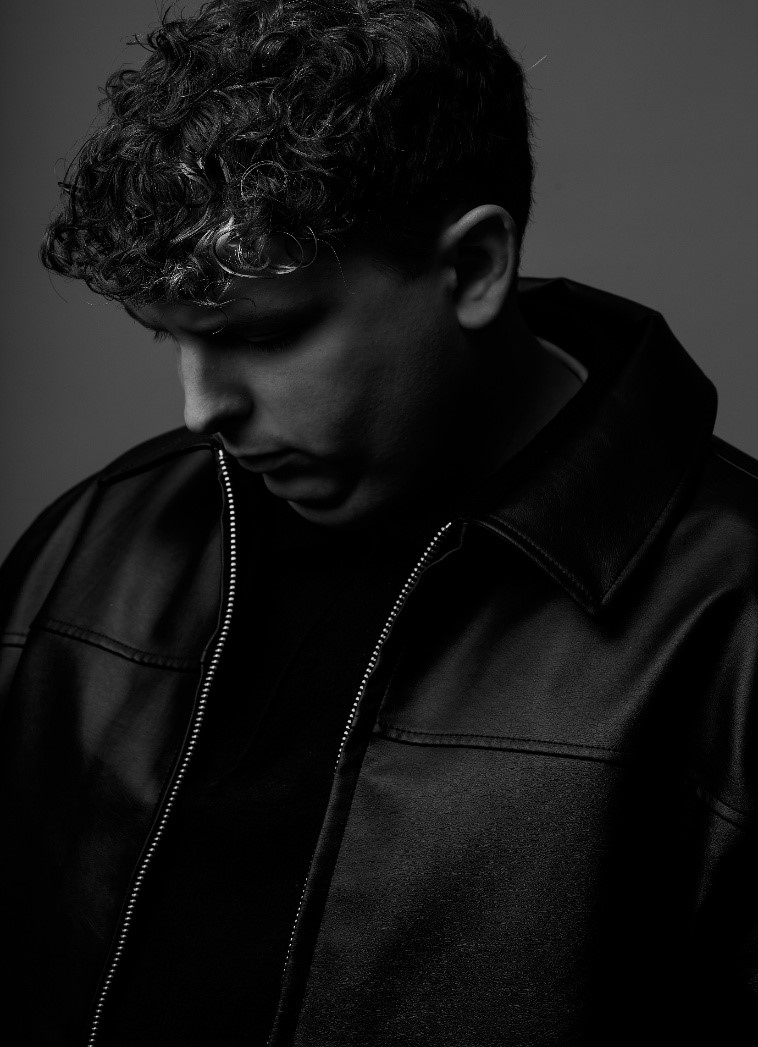
Alt text for featured image: Actor lookingrelaxed and natural during headshot session at Dock Street Studio Leeds
“I’m notphotogenic.”
It sounds like astatement about how someone looks. A fixed thing, like bone structure or skintone. Something you either have or you don’t.
But it can’t bethat. Because the same people who say it also have photos where they lookbrilliant. And photos where they look terrible. Usually taken within weeks ofeach other. If it were fixed, that wouldn’t happen.
So it’s not abouthow you look. It’s about how you feel. And that distinction matters more thanmost people realise — especially if you’re an actor preparing for a headshotsession.
Think about thepeople who consistently come across well in photos. It’s rarely because theyhave better features or more flattering angles. It’s because they lookcomfortable. Their expression isn’t fixed. Their posture isn’t rigid. There’sno sense that they’re holding something together.
They look likethemselves on a normal, good day.
That’s it. That’sthe whole thing.
Being photogenicisn’t a physical attribute. It’s a state. And states can change — which meansthe idea that you’re not photogenic, as a permanent fact about yourself, almostcertainly isn’t true.
The problem isthat a camera is very good at producing the opposite of comfortable.
The moment a lensis pointed at you, something shifts. You become aware of your face in a waythat isn’t natural. You start monitoring your posture, your expression, whetheryou look strange, whether you’re doing it right. Your attention moves inward,and once it does, you’re no longer just being there. You’re managing yourself.And managed people don’t photograph the same way as present ones.
I’ve felt this.Most actors have. There’s a particular quality to a headshot taken when you’rein your head — a slight tension in the eyes, a held quality in the expression,a sense of trying. It’s subtle. But it changes everything.
The camera doesn’tlie, exactly. It just catches the version of you that’s performing beingphotographed rather than the version that’s simply there.
“Managed peopledon’t photograph the same way as present ones.”
It’s not bold.It’s not the big smile or the strong pose or trying to project somethingimpressive. If anything, that’s where a lot of actors go wrong in headshotsessions — pushing for something, rather than allowing something.
Real confidence ina photo is much quieter. It looks like someone who isn’t second-guessingthemselves. Someone who’s not checking how they’re coming across every halfsecond. Someone who looks settled.
Certainty doesn’tmean looking flawless. It means looking like you’re okay being seen. Thatquality — ease with being observed — is what casting directors are reading whenthey look at your headshot. Before you’ve said a word or walked into a room,they’re asking: does this person look like themselves? Is there something realthere?
A technicallyperfect image with a managed expression will always lose to a slightlyimperfect one where the person looks genuinely present.
For most people,being photographed is an occasional thing. For actors, it’s a professionalrequirement with real stakes. A bad headshot isn’t just an unflattering photo —it’s a first impression that doesn’t represent you, landing in front of castingdirectors before you’ve had a chance to say anything.
That pressure isreal, and it makes the self-consciousness worse. You’re not just in front of acamera. You’re in front of a camera knowing these images will represent youprofessionally, possibly for the next year or two.
What I’ve found,from my own sessions at Dock Street Studio in Leeds, is that the environmentmatters as much as anything else. A photographer who talks to you before theyshoot. Who doesn’t rush the first few minutes. Who lets you settle. Who givesyou something to respond to rather than just a lens to face. That’s what shiftsthe internal state — and once the internal state shifts, the external onefollows.
The best actor headshots I’veseen, and the ones from my own sessions that feel most like me, weren’t theones where I was trying the hardest. They were the ones where, at some point inthe session, I forgot to try at all.
You can’t thinkyour way into looking comfortable. Telling yourself to relax in front of acamera rarely produces relaxation. But there are a few things that actuallyhelp.
Give yourself timeat the start of the session to just be in the space. Don’t rush straight intoshooting. Talk. Ask questions. Let the photographer get a sense of you beforethey try to capture you.
Choose wardrobethat feels genuinely like you, not what you think looks impressive. Discomfortin your clothes translates directly into discomfort in your face.
And when thecamera comes up — rather than thinking about your expression, think aboutsomething outside yourself. A character. A scene. The person you’re talking to.Attention outward tends to produce presence. Attention inward tends to produceperformance.
The goal isn’t aperfect photo. It’s a true one. And ‘true’ photographs better than perfect,every time.
Everything Nicoledescribes here — the self-consciousness, the shift that happens when you stopmanaging and start being present — is something Mark sees in every headshotsession at Dock Street Studio. The first few minutes of any shoot are never thebest ones. That’s not a problem to solve; it’s just how it works. Actorheadshot sessions at Dock Street Studio in Leeds are built around giving youenough time and space to find the version of yourself that photographs well.That’s always been there. It just needs the right environment to show up.
Book youractor headshot session in Leeds at dockstreetstudioleeds.co.uk or emailmark@isophotographic.org.
Actor • Copywriter • Lighting assistant & guest writer, DockStreet Studio Leeds
Nicole is aworking actor and copywriter based in Leeds. She is part of the Dock StreetStudio team, contributing guest articles that draw on lived experience inauditions, casting, and professional practice. Her previous posts include ‘How I found my casting type’ and ‘What actually changed in my new actor headshots’.

